
Every once in a while I develop a burning curiosity about something. It’s usually the start of an adventure.
Six years after we held Vivi’s 1st Bday in a smoky park, the final product of the SOS-Summer of Smoke project, a collaboration between the Yellowknives Dene, the Ka’a’gee Tu First Nation, Ecology North, and a passel of some of the smartest people I know, was published.
We found that in 2014, 385 wildfires led to a two and a half month smoke exposure for Yellowknife, Dettah and N’Dilo that was associated with a doubling of ER visits for asthma as well as of primary care visits for pneumonia and cough as compared to previous summers. There was a 48% increase in community dispensation of salbutamol. We analyzed it with the benefit of insights gleaned from the previously-published qualitative part of the project led by Warren Dodd.
It turns out we lived through one of the worst wildfire smoke exposures so far recorded in the global medical literature base (most describe exposures lasting a few days to a few weeks). Our usually pristine air quality allows impacts to be attributed to wildfires more directly in almost all other studies.
Almost every media interview I’ve ever done about wildfires has contained the question, “So Doctor, are we at a new normal?”
The answer is no. We are not at a new normal. We’re already 2.5 C warmer here than we were 70 years ago, and we know warming will continue until at least mid-century. Summers are going to get smokier for at least the next 20-30 years, and will only level out then if we emergently decrease greenhouse gas emissions now.
The prescription? Preparation. With Perth, Australia, having had to evacuate emergently this week as a result of a wildfire, in the midst of a COVID-19-related lockdown, we need to envision the worst-case scenarios and plan for them. Our interviewees consistently told us that not only does having an action plan make a good outcome more likely, but that being ready feels good.
Looking back, it’s actually incredible where this adventure has led. I had considerable ecoanxiety at the time we began. Not only was Yellowknife’s Doug Ritchie key to putting our team together, but he, as the most diligent environmentalist I have ever met, was the only reason I was able to get on a plane to help make this project fly–because he believed I was good enough that I’d manage to make an impact that outweighed my emissions. A few months after he told us at our initial meeting that he was partly interested in doing the study because he hadn’t been feeling well that summer, he was diagnosed with pancreatic cancer. He died very suddenly, and much too soon. I try every day to live up to the faith he put in me.
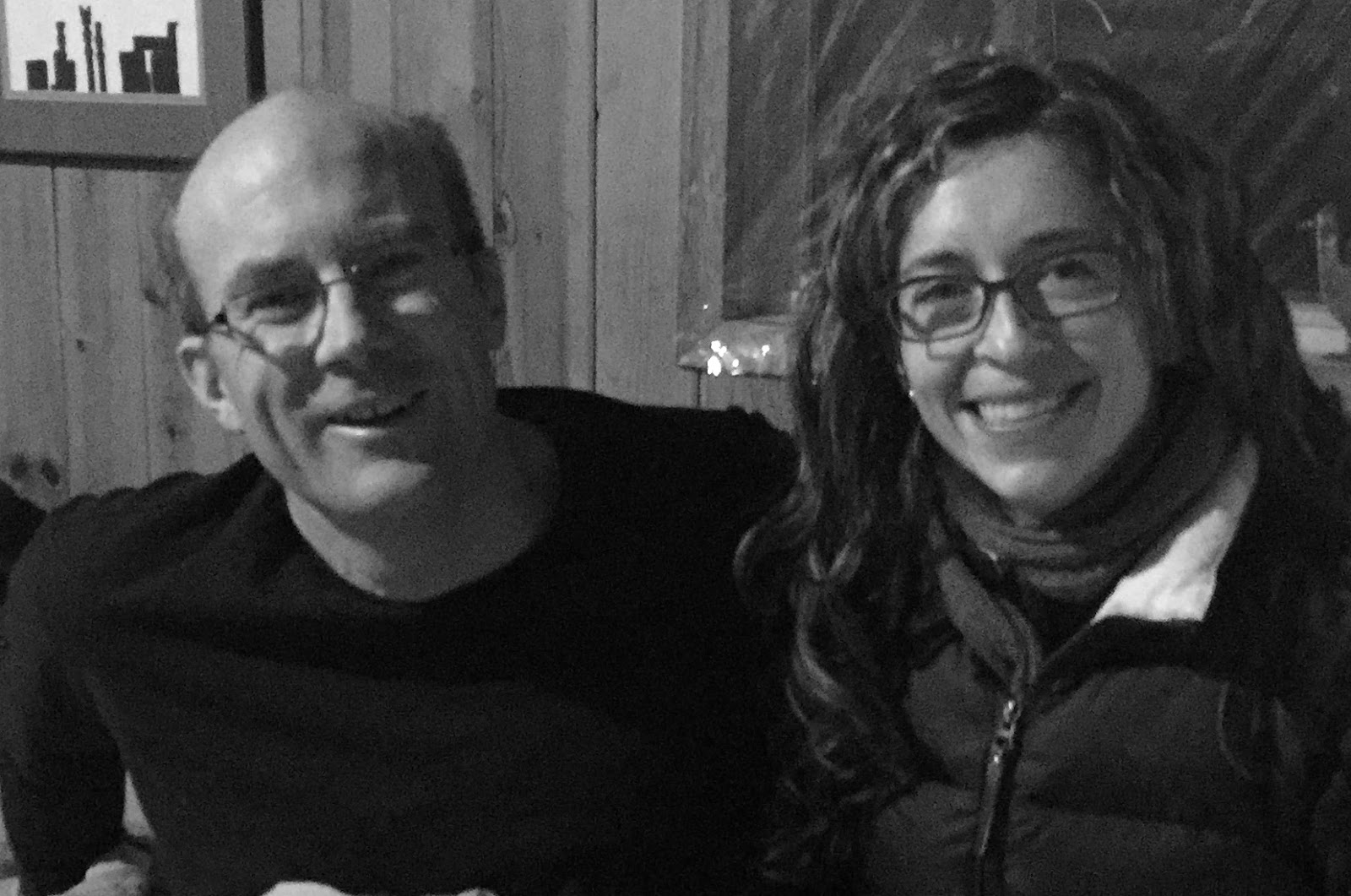
This one’s for you, Doug.
